Homeowners planning renovations often ask a critical compliance question: what permits do I need for a home remodel? Permits are a common source of confusion, especially when projects involve multiple trades or partial changes to existing systems. Understanding permit requirements early helps prevent delays, failed inspections, and issues during resale or refinancing.
In San Jose, CA, permit rules are enforced closely for many types of remodeling work. Knowing which projects typically require permits—and who should handle them—allows homeowners to plan realistically and avoid surprises once construction begins.
Why Permits Exist and Why They Matter
Permits ensure that remodeling work meets safety standards and local building codes. Inspections tied to permits verify that electrical, plumbing, structural, and mechanical systems are installed correctly and safely.
Skipping required permits can result in work stoppages, fines, or required removal of completed work. It can also complicate home sales if unpermitted work is discovered later.
Remodeling Projects That Commonly Require Permits
While rules vary by scope, many remodels require permits when they affect regulated systems.
- Electrical work: New circuits, panel upgrades, or outlet relocation Plumbing work: Moving supply or drain lines, new fixtures Structural changes: Removing or altering walls, beams, or framing Windows and doors: Replacements that change size or location Additions: Any expansion of livable space
Cosmetic updates such as painting or flooring replacement may not require permits, but homeowners should verify requirements before starting.
How Permits Are Typically Handled
For projects involving multiple trades, permits are often coordinated by a general contractor. This includes applying for permits, scheduling inspections, and addressing any corrections required by inspectors.
A general contracting company integrates permit timelines into the overall project schedule find contractors near me to reduce downtime.
Local Requirements in San Jose
San Jose has detailed permitting requirements for remodeling work. Electrical and plumbing permits are common, and inspections may be required at multiple stages such as rough-in and final approval.
Because requirements can vary by project scope, homeowners often seek a general contractor San Jose residents trust to navigate local rules efficiently.
Inspections and Project Sequencing
Inspections are tied closely to permits and must occur at specific points in the project. Rough inspections typically happen before walls are closed, while final inspections occur after finishes are installed.
Missing an inspection can halt progress and require rework. Proper sequencing ensures inspections happen on time and work continues without unnecessary delays.
Sidebar Example: How a Missed Permit Delays a Remodel
Consider a homeowner who replaces bathroom plumbing without confirming permit requirements. During a later inspection for unrelated work, unpermitted changes are discovered. The homeowner must then apply for permits, open walls, and schedule inspections—adding time and cost.
Verifying permits upfront avoids these disruptions.
Who Can Apply for Permits?
Permits can often be applied for by the contractor or the homeowner, depending on the project. When homeowners act as their own contractor, they assume responsibility for applications, fees, and inspections.
Many homeowners prefer professional handling to reduce administrative burden and risk.
Permit Fees and Budget Planning
Permit fees vary based on project type and scope. While fees are a relatively small part of overall remodeling costs, they should be included in the budget.
Unexpected permit requirements can affect both cost and timeline if not planned for early.
What Happens If an Inspection Fails?
If an inspection fails, corrections must be made before work can continue. This may involve adjusting installations, providing additional documentation, or scheduling a reinspection.
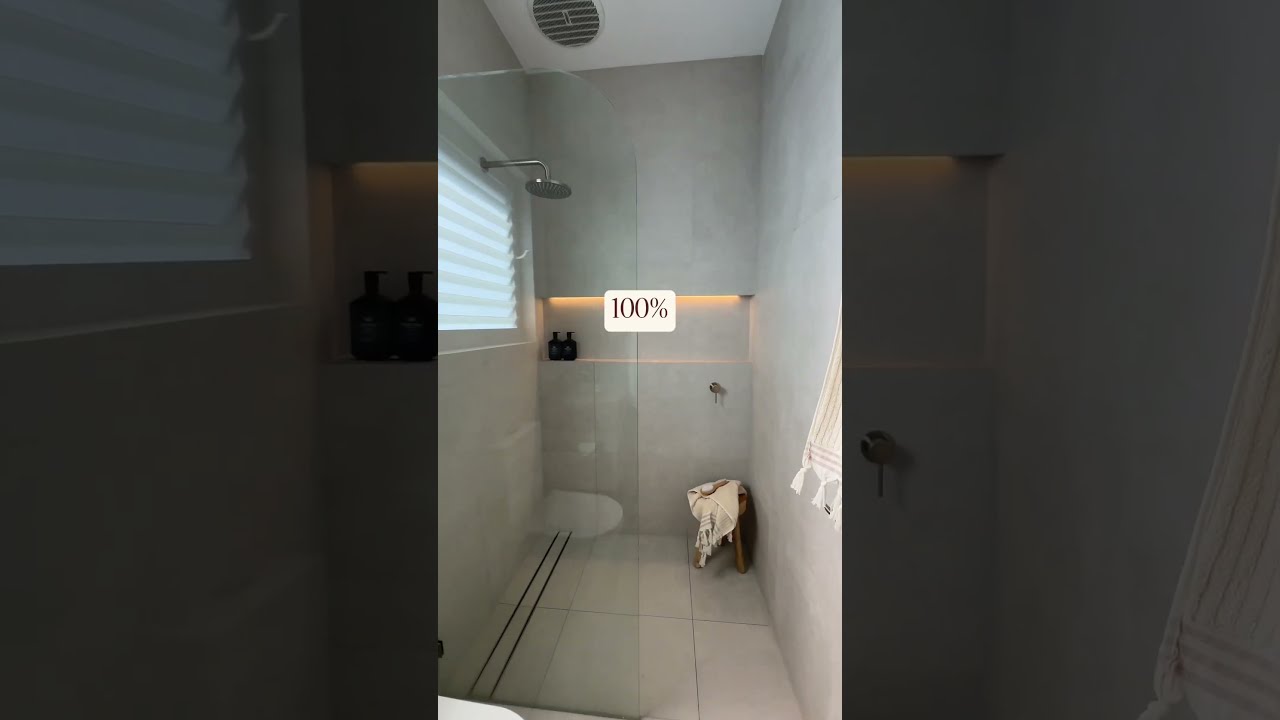
Experienced contractors anticipate common issues and prepare work to pass inspection on the first attempt.
Do All Remodels Need Permits?
No. Some projects are exempt from permits, particularly cosmetic updates. However, homeowners should never assume a permit is unnecessary without verification.
When in doubt, confirming requirements early prevents costly setbacks.
Long-Term Implications of Permitted Work
Properly permitted work protects homeowners long after the remodel is complete. Documentation of approved permits and passed inspections can simplify future sales, refinancing, or insurance claims.
Unpermitted work, on the other hand, can create complications during disclosure or appraisal.
Getting Clarity Before You Start
The best time to address permits is before construction begins. Clear understanding of requirements allows for accurate scheduling and budgeting.
Many homeowners speak with a general contractor early in planning to confirm which permits apply to their remodel.
Related Questions Homeowners Ask
Can I remodel without permits?
Only for projects that are exempt; many system changes require permits.
Do permits increase remodel time?
They can, but proper planning integrates permits into the schedule.
Who pays for permit fees?
This depends on the contract and should be clarified upfront.
Homeowners planning renovations often consult general contracting services to ensure all permit requirements are handled correctly.
San Jose General Contractors
Phone: (408) 549-8543
Address: 476 Curtner Ave, San Jose, CA 95125
Website:
http://www.generalcontractorssanjose.com/